Grid-Connected
Solar & Storage
System

Maximize solar self-consumption, store
excess energy and stay connected to the grid.

Solar Self-Consumption

Up to 90% solar usage

Battery Storage

LiFoPO, safo & durable

Grid Feed-in

Export excess energy

Smart Distribution

Reliable power delivery

Solar Self-Consumption

Up to 90% solar usage

Battery Storage

LiFePO, safe & durable

Grid Feed-In

Export excess energy

Smart Distribution

Reliable power delivery

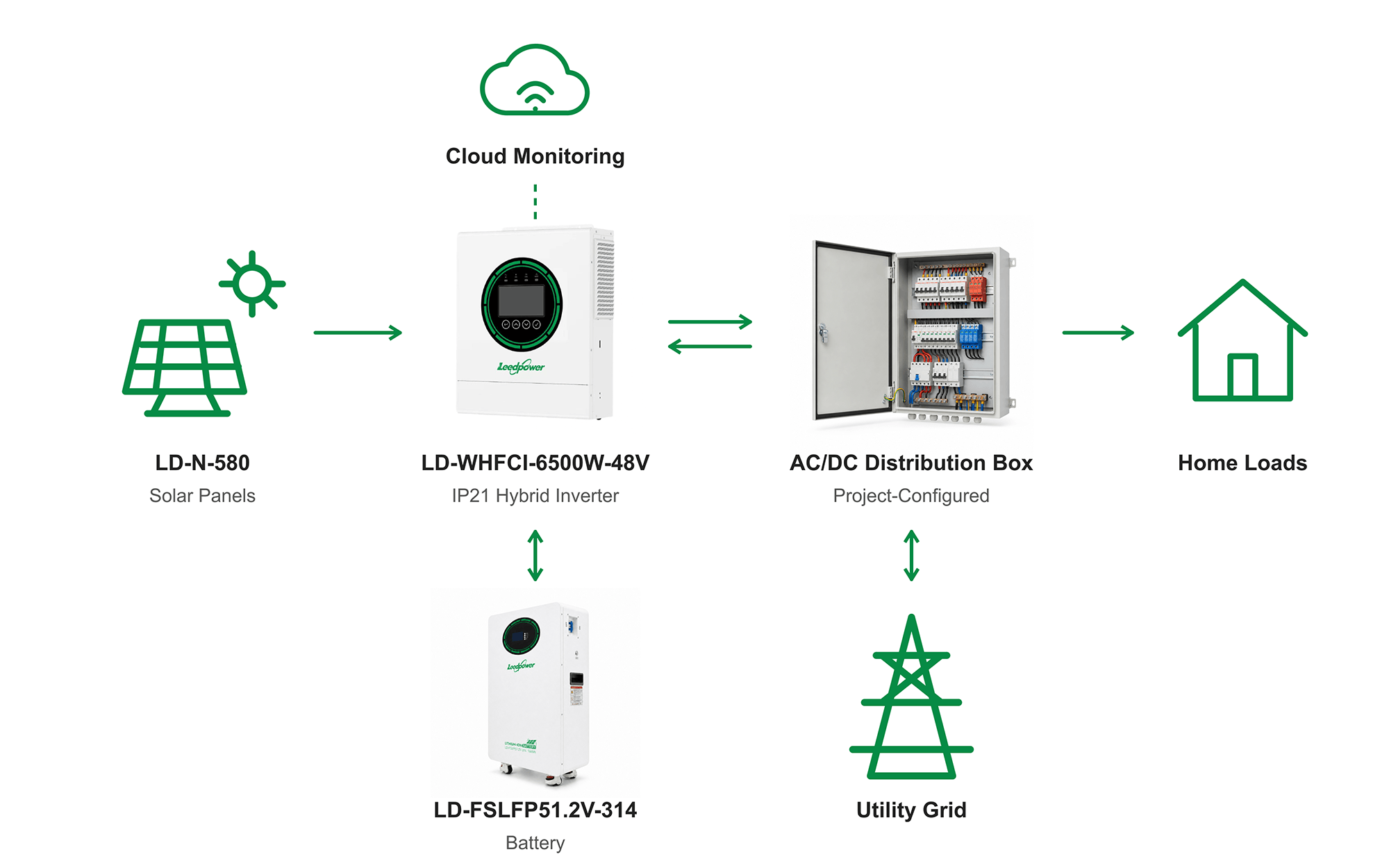
How The System Works

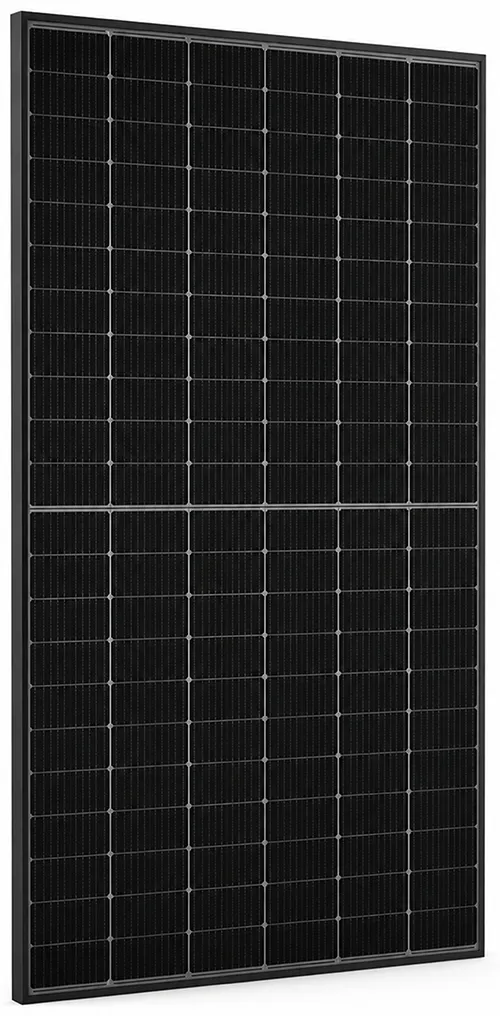
LD-N-580
Solar Panels

N-type Monocrystalline

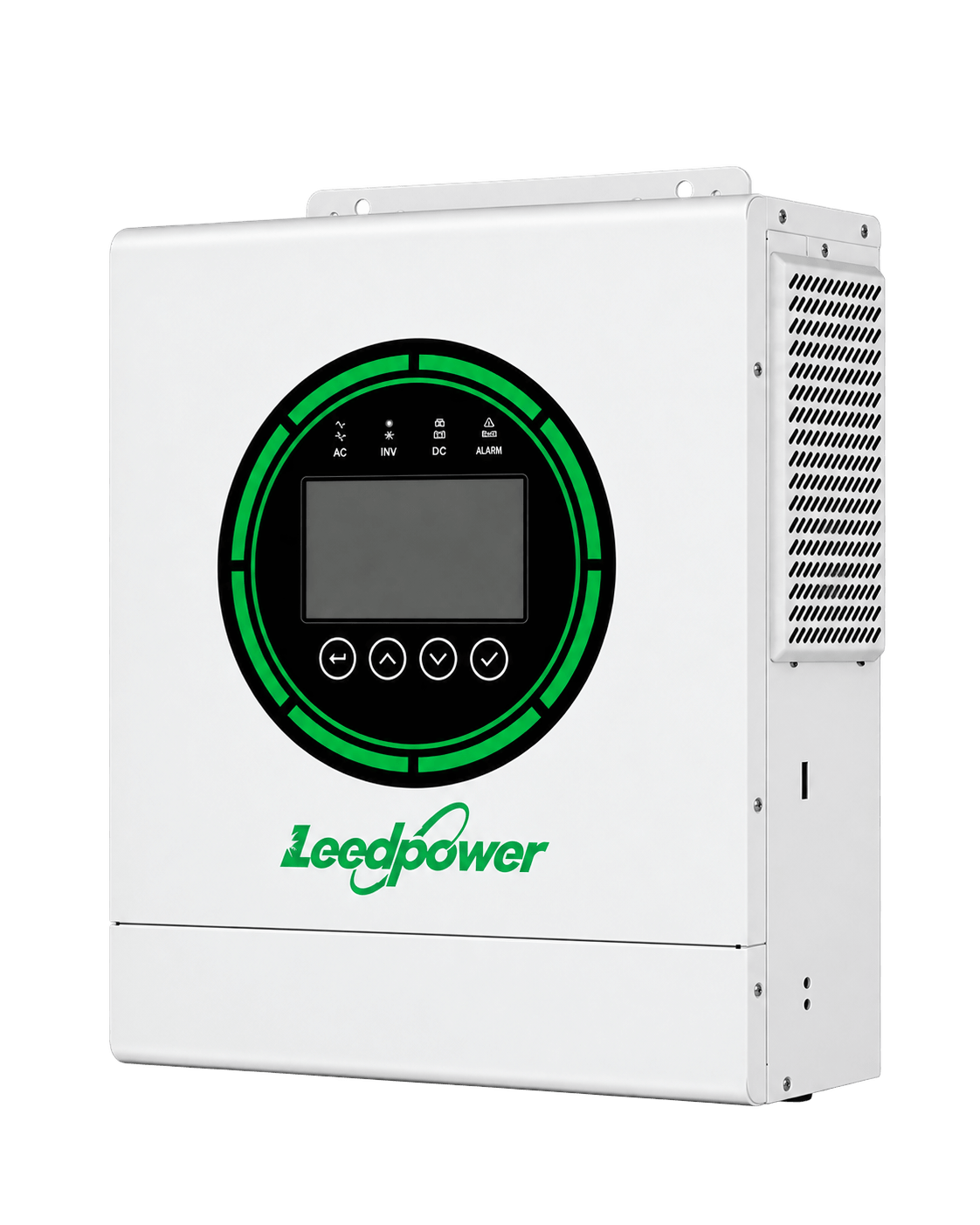
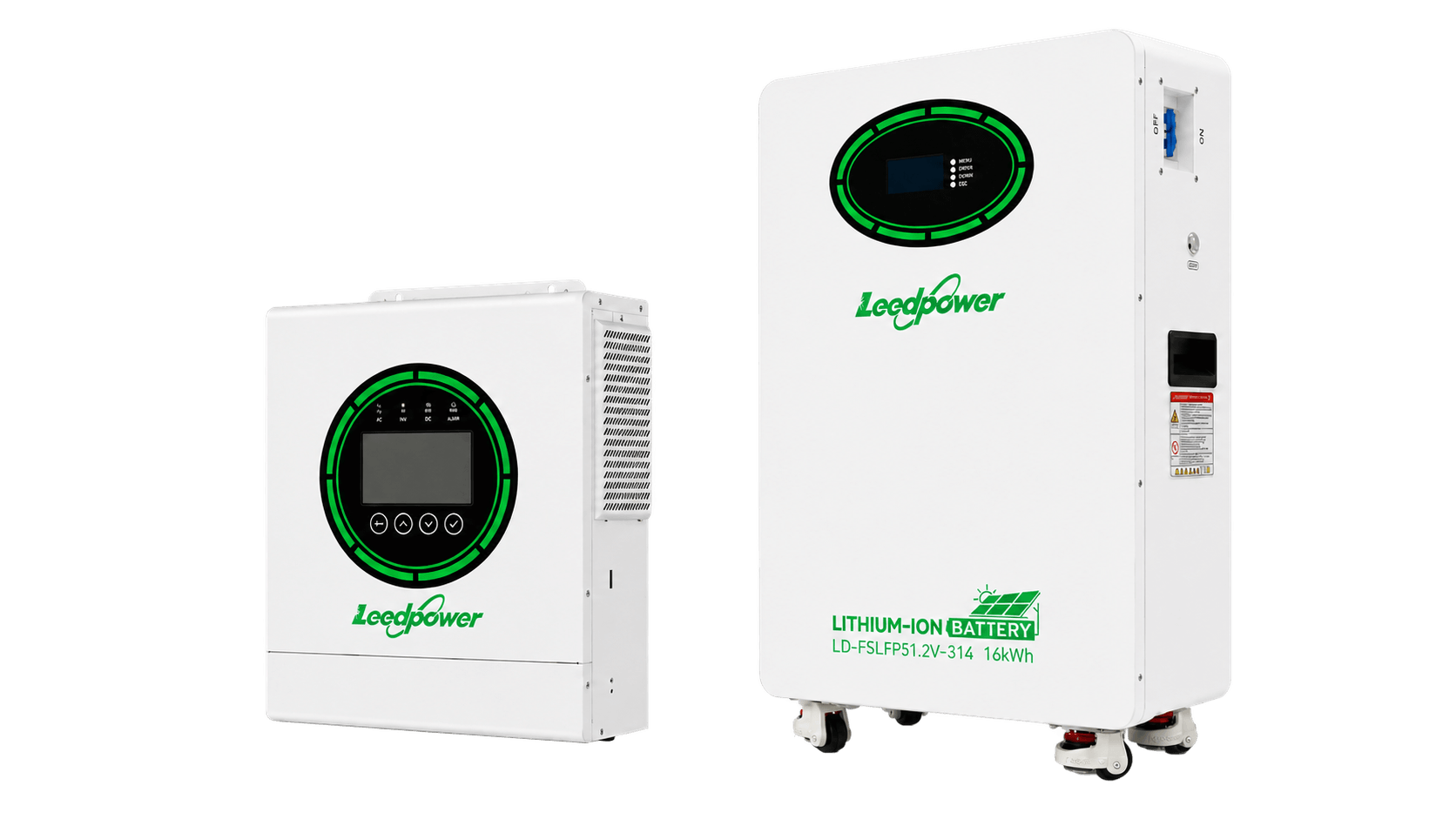
LD-WHFCI-6500W-48V
IP21 Hybrid Inverter

Wall-mounted

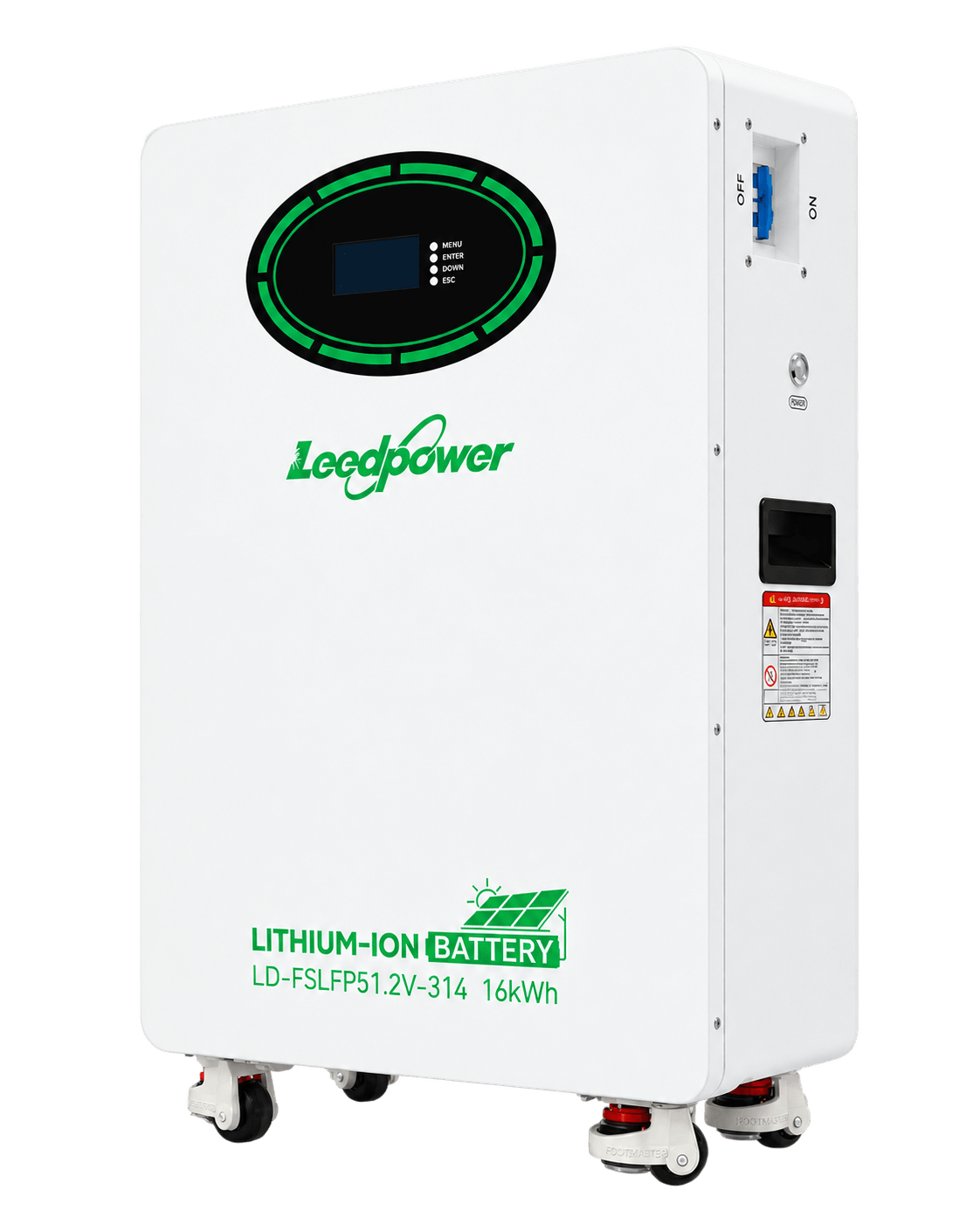
LD-FSLFP51.2V-314
Battery

Floor-standing

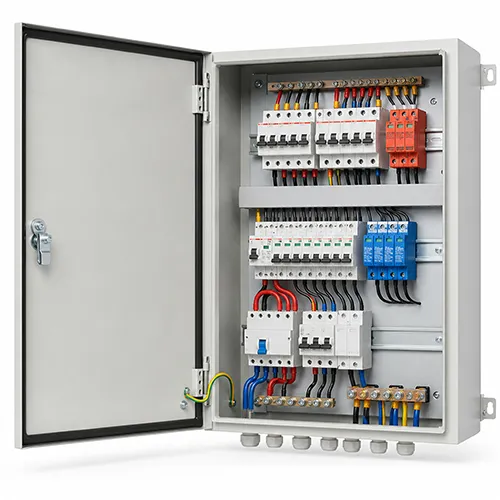
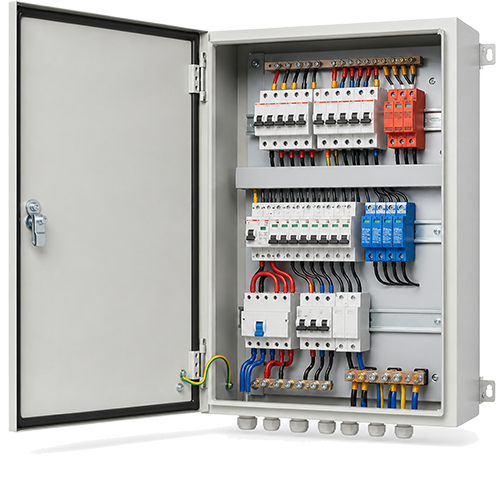
AC/DC Distribution Box

Project-Configured

Utility Grid

Stable power support

How Solar Self-Consumption Works

When Solar is Abundant

Solar powers home loads first

Exoess energy charges the battery

Remaining surplus exports to the grid

When Solar is Insufficient

Battery discharges to power loads

If battery is low, grid supplies power

System Configurations

6KW/10.8kWh

1 x LD-WHFCI-6S00W-48V

1 x LD-FSLFPS1.2V-314 (10.8kWh)

LD-N-580 Solar Panels

AC/DC Distribution Box
(Project-Configured)

6KW/15.07kWh

1 x LD-WHFCI-6S00W-48V

1 x LD-FSLFPS1.2V-314 (15.07kWh)

LD-N-580 Solar Panels

AC/DC Distribution Box
(Project-Configured)

12KW/21.6kWh

2x LD-WHFCI-6500W-48V
(Paraliel)

2 x LD-FSLFPS1.2V-314 (21.6kWh)

LD-N-680 Solar Panels

AC/DC Dietribution Box
(Project-Configured)

Generate More. Consume Smarter.

Self-Consumption First

Ute pelar energy before
drawring from the grid
Store Excess Solar

Store your LFoA, bettery for later uoe
Food Surplus To Grid

Export esceen energy and eamn more value
Smart Energy Management metiont

Lithium Battery
Activation

Prduct Highlights

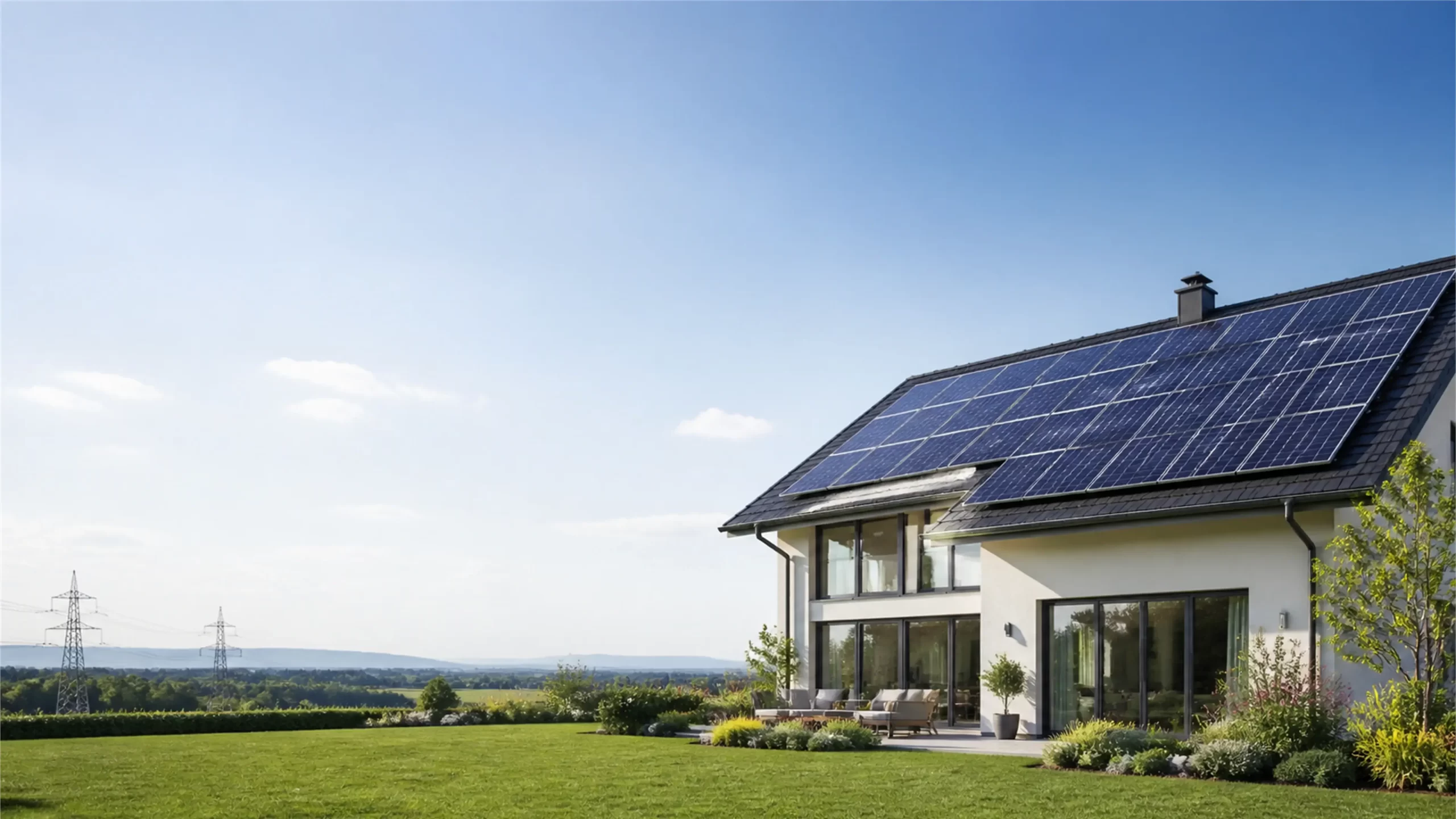
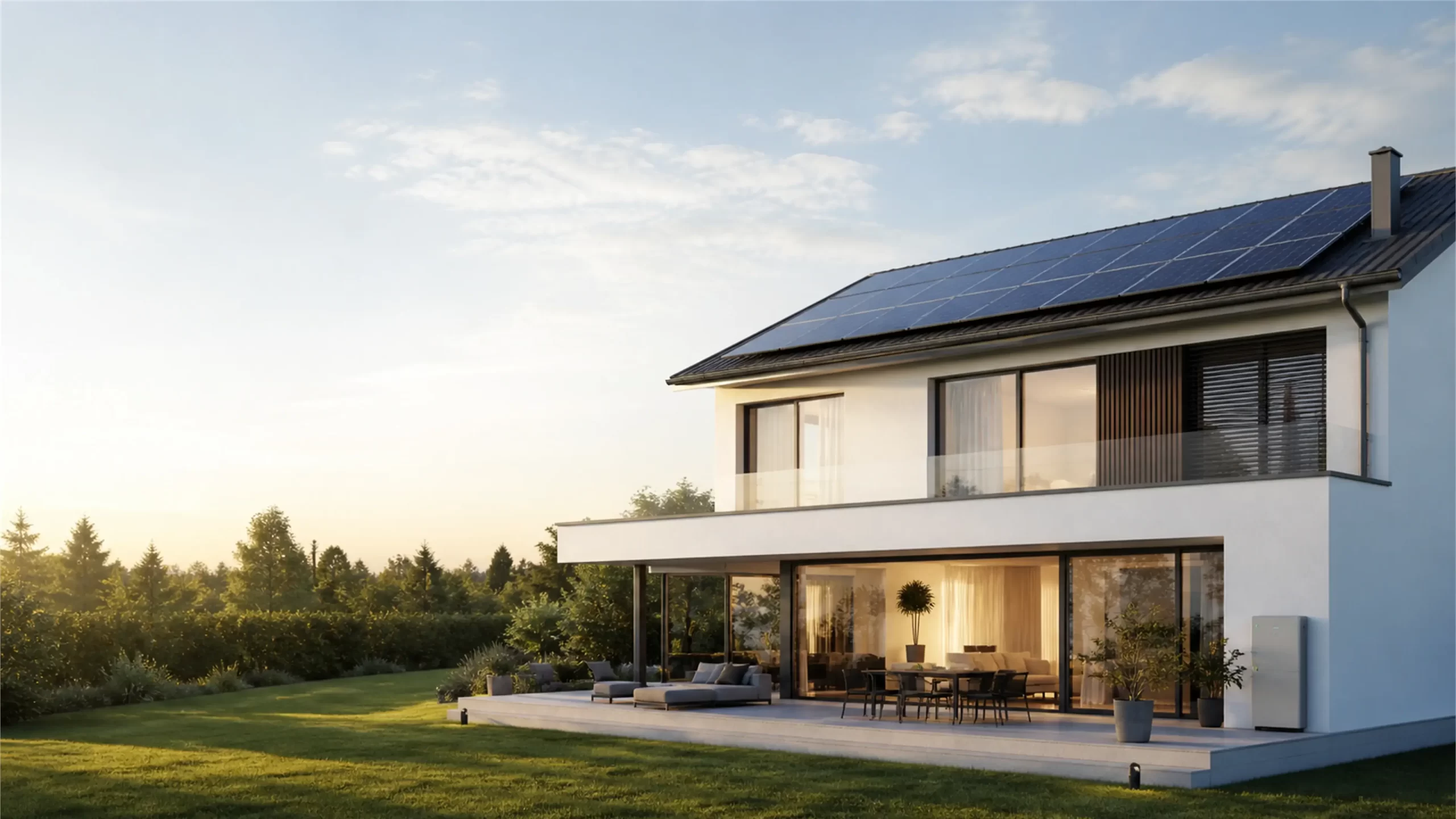
From sunny days to power outages, Leedpower hybrid system keeps your home running smoothly.

Residential Homes

Villas

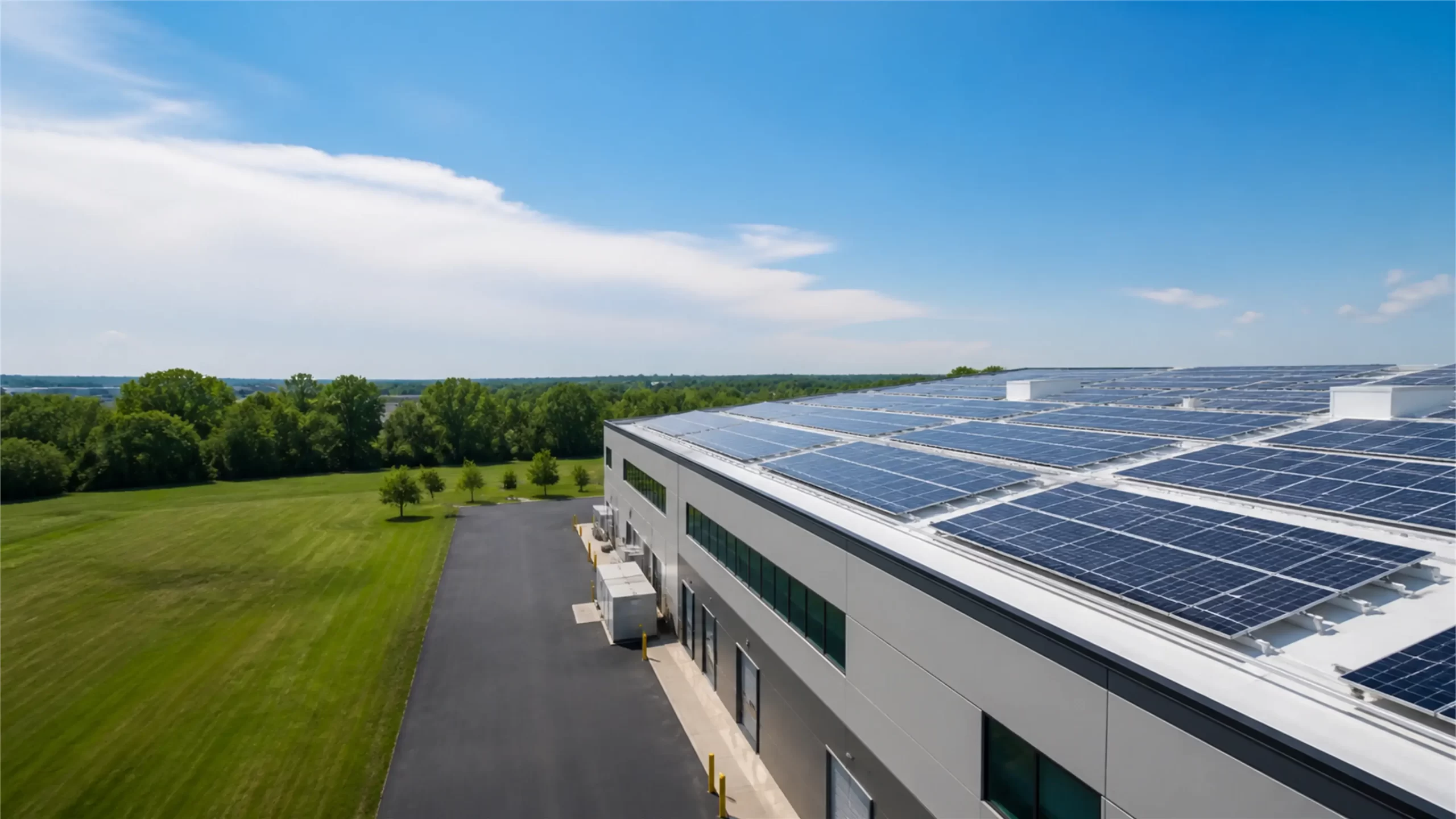
Small Commercial
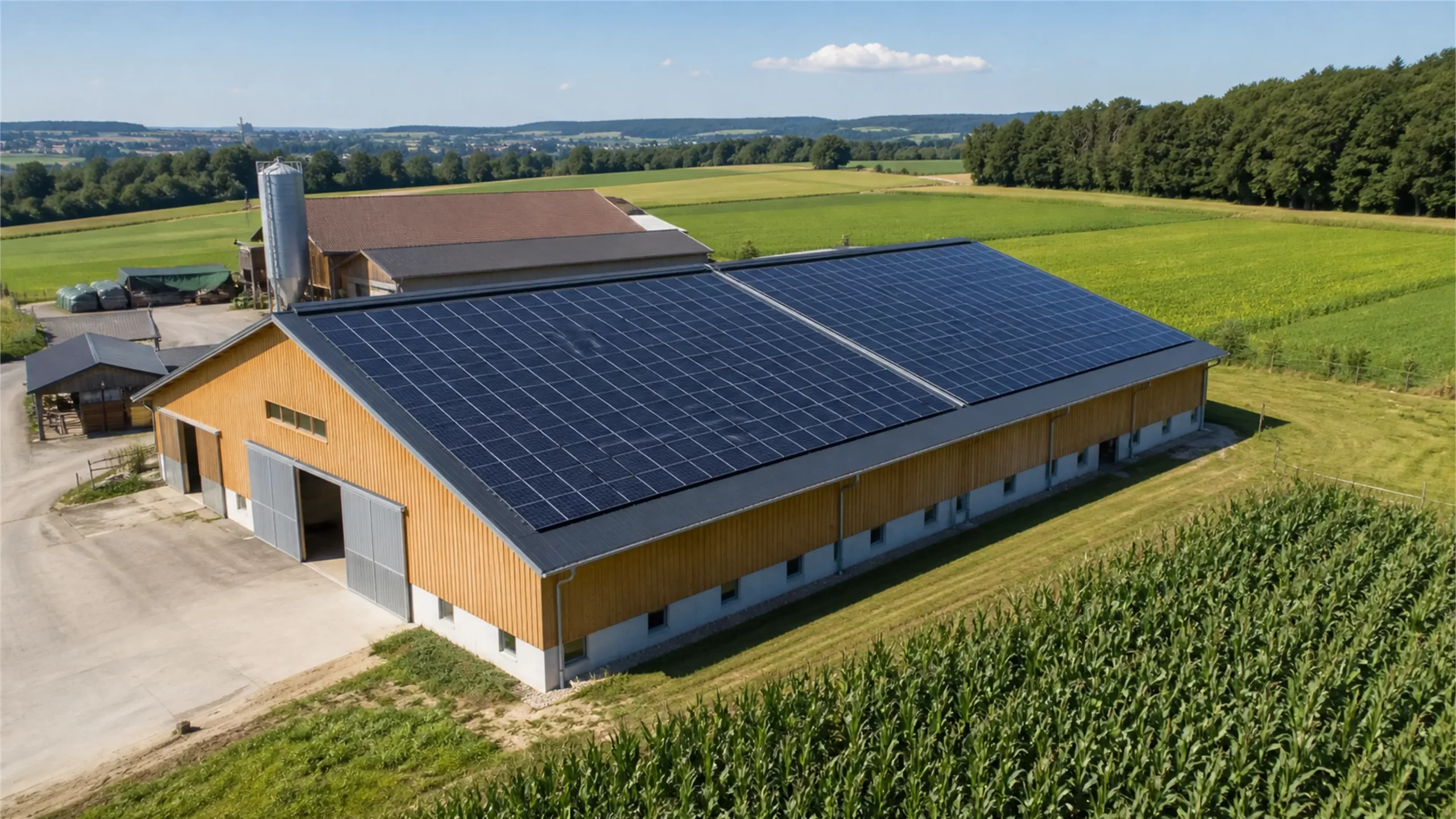
Agricultural Buildings

FAQ

A grid-connected solar and storage system combines solar panels, a hybrid inverter, battery storage, and the utility grid. Solar power is used for local loads first, excess energy can charge the battery, and any remaining surplus may be exported to the grid where local regulations allow.

The operating priority can be configured according to the project requirements. A typical setting uses solar power for the loads first, stores excess solar energy in the battery, and draws power from the grid only when solar and battery energy are insufficient.

Backup power is available when the system includes a compatible hybrid inverter, battery, and correctly installed backup or EPS circuit. The available backup power depends on the inverter rating, battery capacity, and the loads connected to the backup output.

Yes, the system supports grid feed-in where it is permitted. Export availability depends on local utility rules, grid-connection approval, meter configuration, and inverter settings. Zero-export control can also be configured for projects where feed-in is restricted.

Yes, the system supports grid feed-in where it is permitted. Export availability depends on local utility rules, grid-connection approval, meter configuration, and inverter settings. Zero-export control can also be configured for projects where feed-in is restricted.

System sizing should consider daily electricity consumption, peak load, available roof space, local sunlight conditions, backup requirements, and permitted grid export. Leedpower can recommend a configuration after reviewing your load information and project location.

Yes. Compatible Leedpower systems support Wi-Fi and cloud monitoring, allowing users or installers to view solar generation, battery status, load consumption, grid interaction, operating data, and system alerts remotely.

Ready To Build Your
Hybrid Solar System?

Contact Leedpower for a tailored
solution for your home or business.

Emall Us

ifo@ieedpowe.com

Call Us

+8675523777886

Request a Quote

Fast response

Globel Support

Sanvice woridwlde